
Welcome to Urna 71P by Sanjay Mittal.
Get in touch
+91 7400009944
71P Kasturba Cross, Carter Road Number 4 Borivali East, Mumbai 400 066, Maharashtra
+91 7400009944
71P Kasturba Cross, Carter Road Number 4 Borivali East, Mumbai 400 066, Maharashtra
Mumbai has always been the city of dreams—but those dreams are now being reimagined. With changing lifestyles, rising expectations, and rapid urbanization, real estate builders in Mumbai are no longer just constructing homes; they’re building ecosystems. These modern ecosystems are greener, smarter, more efficient, and designed for the future.
In this blog, we’ll explore how the city’s top developers are transforming Mumbai’s urban fabric and why this matters for first-time homebuyers, eco-conscious investors, and real estate enthusiasts.
For decades, Mumbai’s real estate scene was dominated by high prices and low availability. However, things are shifting due to a new wave of real estate builders who bring innovation, technology, and sustainability to the forefront. Their approach is no longer limited to brick-and-mortar construction—it’s about urban transformation.
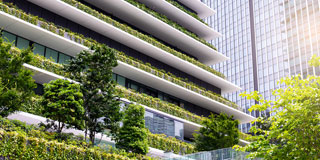
One of the most prominent examples of this transformation is Urna Evolved Living’s green project in Borivali East. The development reflects a deep understanding of what modern homeowners want—efficiency, comfort, and environmental consciousness.
Urna’s project sets the tone for sustainable, community-driven living in the suburbs of Mumbai.
Mumbai is short on land but not on potential. Redevelopment—tearing down old buildings to make way for new, more efficient ones—is the only way to scale growth while preserving location advantages.
Many developers including Arkade, Ravi Group, and Oberoi Realty are heavily investing in redevelopment in areas like Dadar, Andheri, Kandivali, and Borivali.
Despite market fluctuations, Mumbai remains a high-demand real estate destination. The city’s population continues to grow, pushing demand for both affordable and luxury housing.
According to reports by Knight Frank and JLL, the Mumbai real estate market is expected to grow by 8–10% annually till 2030, driven by:
lders from Pune, Bangalore, and Delhi are entering the Mumbai market, particularly through joint ventures and redevelopment partnerships.
With land constraints being a major challenge, these developers are leveraging redevelopment to gain a foothold in India’s most lucrative housing market.
The Mumbai 3.0 initiative is a forward-looking vision plan aimed at reimagining Mumbai as a global financial and livable city.
Builders who align with this vision—like Urna and Oberoi—are future-proofing their projects.
While cities like Hyderabad, Pune, and Bangalore offer great value, Mumbai still dominates in prestige, demand, and return on investment.
| City | Key Advantage |
|---|---|
| Mumbai | High capital appreciation, excellent rental market |
| Hyderabad | Affordable IT corridor expansion |
| Pune | Fast-growing suburbia and startup activity |
| Bangalore | Tech sector-driven demand |
| Gurgaon | Premium infrastructure and luxury living |
However, Mumbai's unique blend of finance, culture, and connectivity keeps it at the top of the real estate pyramid.
Here are some of the most promising neighborhoods for investment:
Some high-profile deals have cemented Mumbai’s position as India’s most sought-after property destination:
These deals show that confidence in Mumbai’s market remains strong among both investors and end-users.
By 2025, Mumbai is expected to:
This future-oriented cityscape will attract new talent, enhance liveability, and improve urban planning efficiency.
Top real estate platforms like MagicBricks, NoBroker, and Griha Shakti are not only helping users find homes but also pushing builders to maintain transparency and offer better experiences. Online reviews, virtual tours, and pricing comparisons are becoming vital for homebuyer decisions.
The future of Mumbai is being built today—by visionary real estate builders who are not just chasing profits but are committed to transforming lives. From eco-conscious planning to smart urban integration, they are turning Mumbai into a global standard for modern city living.